Lam Wing Sze Solo Exhibition:
“Room for Thoughts”
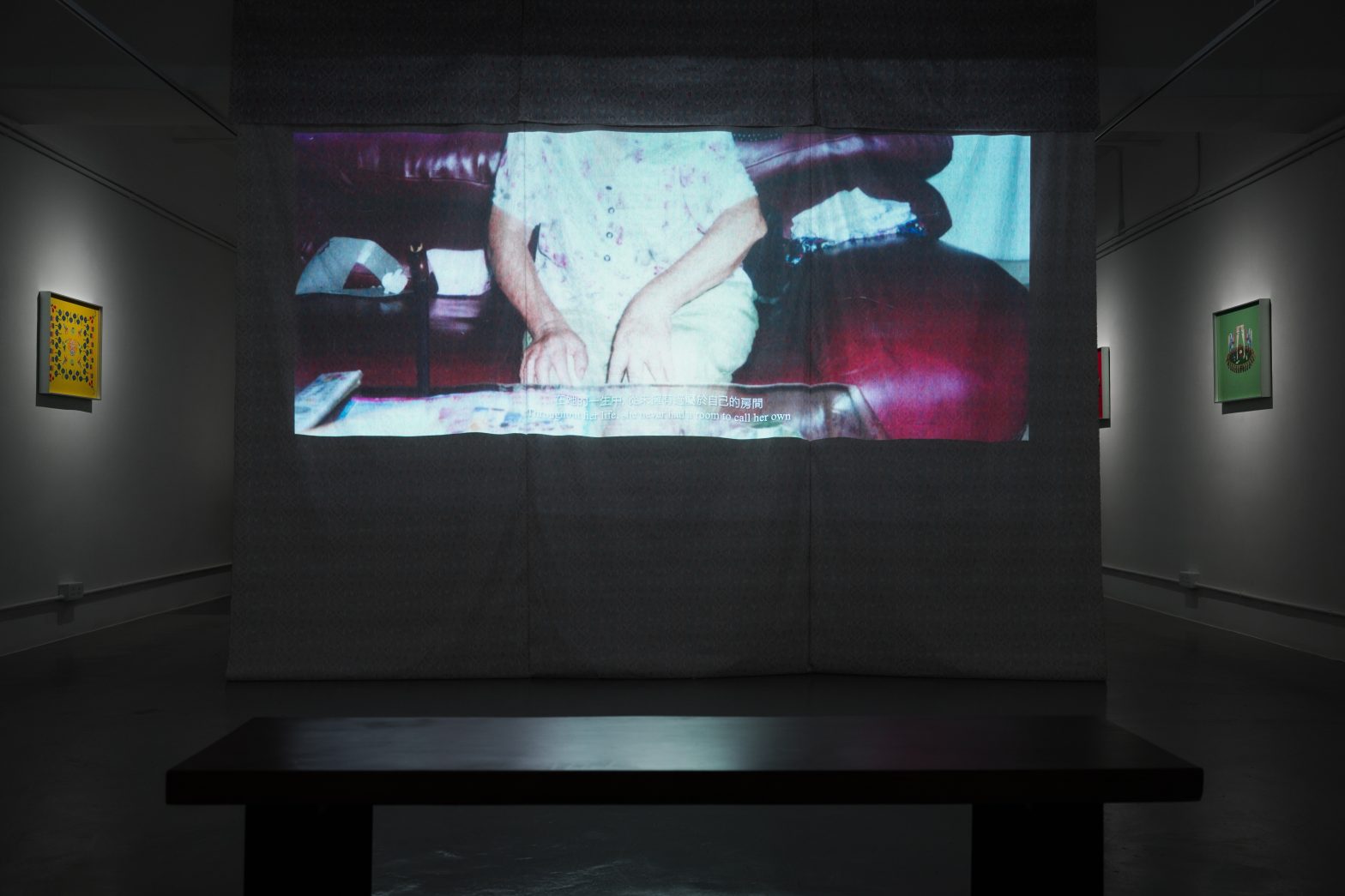
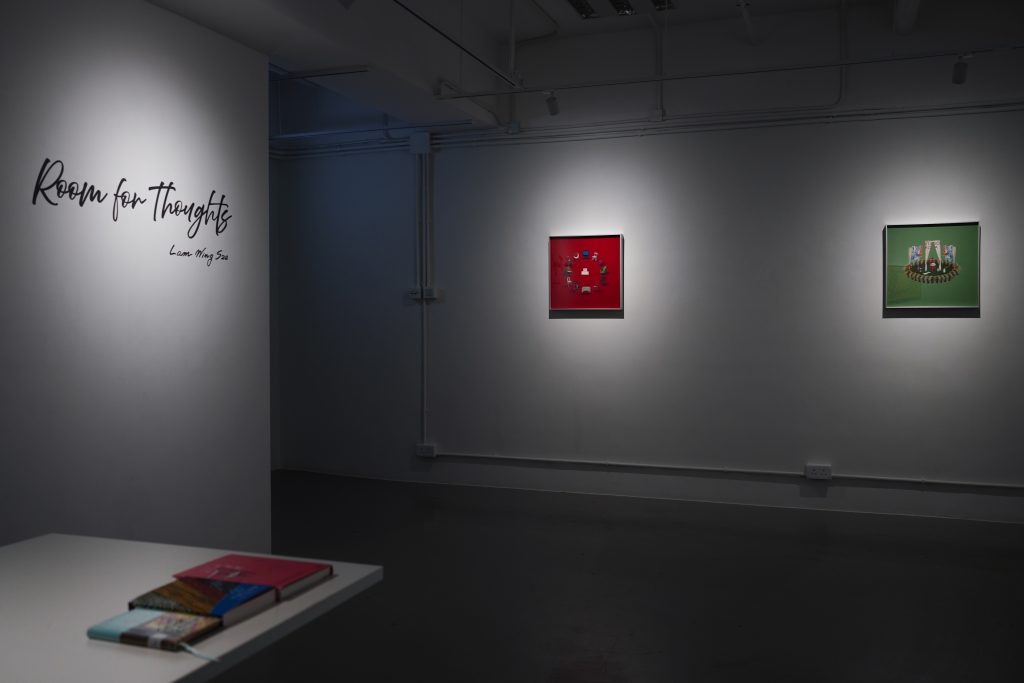
SC Gallery presents the solo exhibition of video artist Lam Wing Sze, “Room for Thoughts,” showcasing the latest series of video and graphic works by the artist, centered around the theme of “room.” By revisiting family photographs, observing domestic sceneries, and referencing classic literature and imagery, Lam unfolds her inquiry and visual articulation of the concept of “room”. Through narrating the memories and anecdotes of different women about their “rooms,” the exhibition explores how such space nurtures imagination towards life itself. “Room for Thoughts” will open on 31st January and run till 28th February.
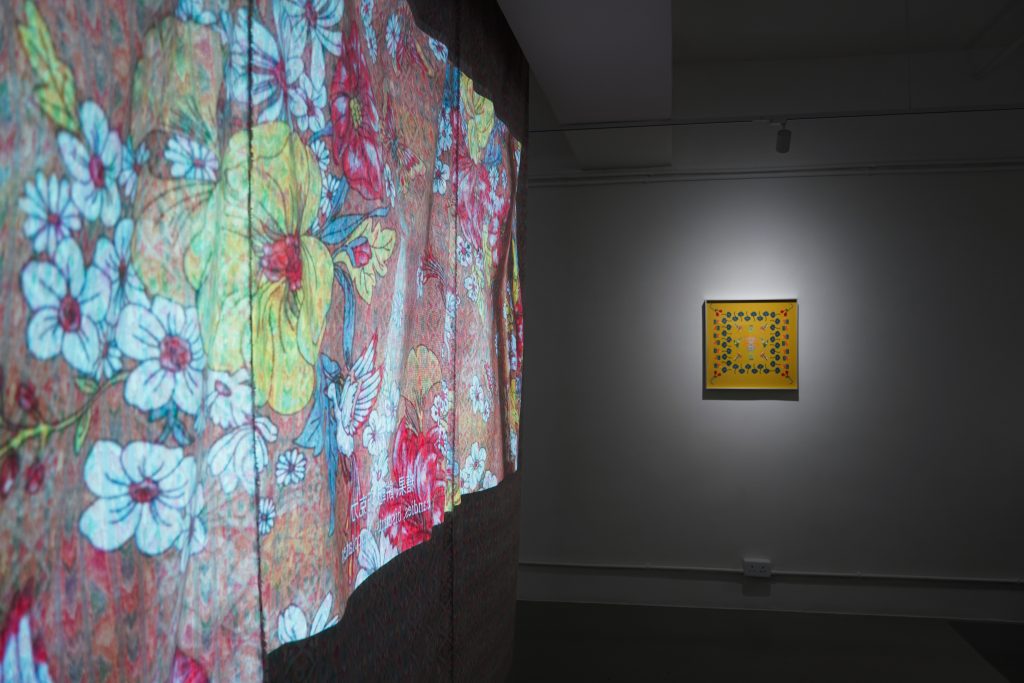
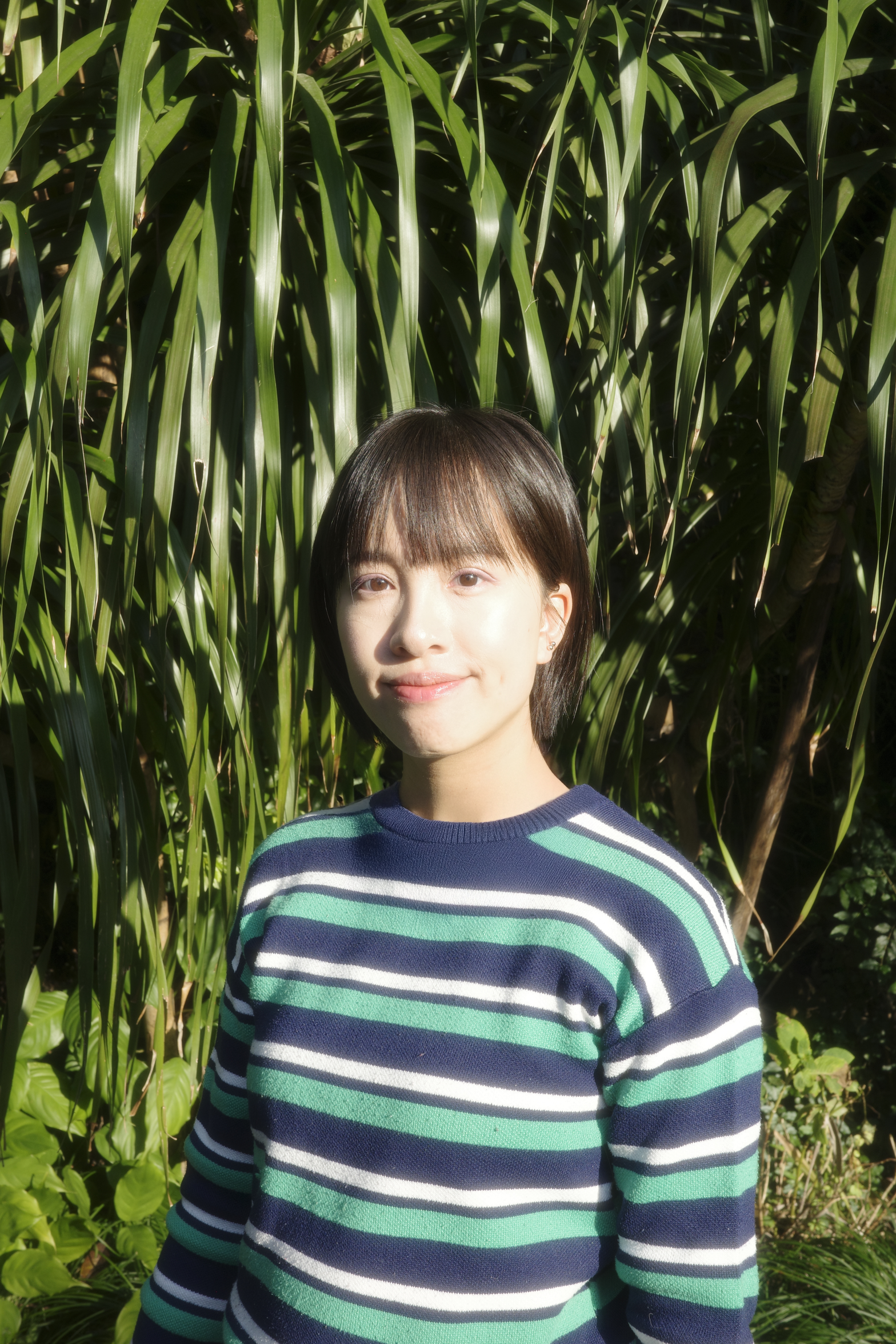
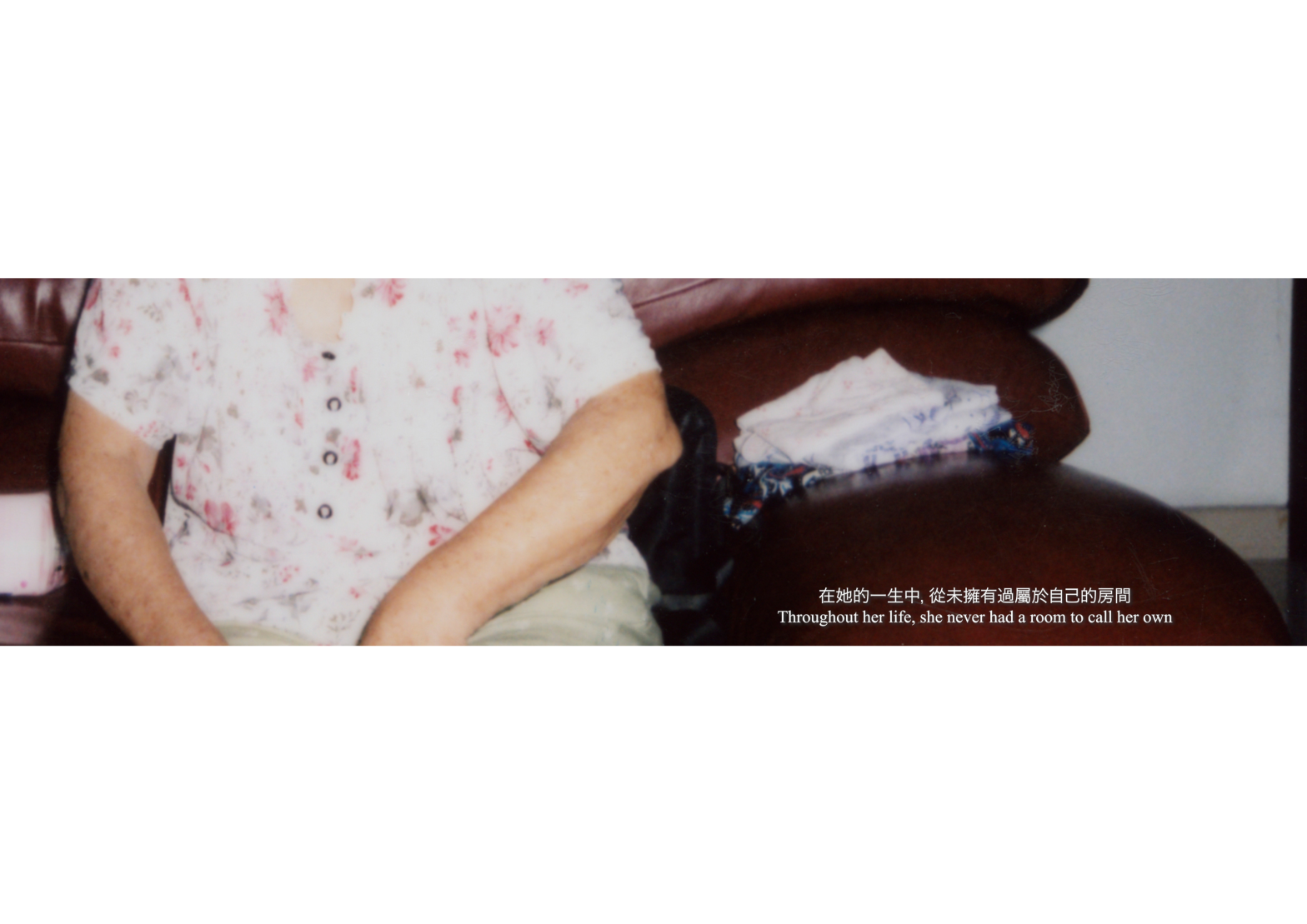
Lam Wing Sze (b. 1993) gains her inspiration from British writer Virginia Woolf’s seminal essay “A Room of One’s Own.” She asserted that a woman must have a room of her own to create, where the physical space could transform into a sanctuary for the mind, a ground for thought and a site for creative practice. Lam posed Woolf’s thesis against the lived experience she shares with the women in her family, who have “never had a room of their own,” taking it as the starting point of her inquiry. The exhibition will premiere her latest eight-minute video work, The Room of Thoughts. Engaging with family memory, she gathers old photographs, records dialogues and observes the corners of domestic interior and objects arrangement, tracing the ways these women map out private territories within a shared living environment. Simultaneously, she invites her mother and niece to give form to their personal visions of “a room of one’s own” by means of video games, origami, and doodling.
Furthermore, she extends her gaze to the fringes of the city, visiting nearby hillsides to capture the temporary shelters of migrant domestic workers during their holiday gatherings. These labourers, far from home, use tree branches, stones, and textiles to construct “private domains” in the unfamiliar wilderness. These structures, which are often subject to eviction, are recorded by the artist, as well as the residual traces they left behind. Lam reassembles these image fragments from both personal memory and public sites. Using the lived narratives of women as guide, she contemplates the shift in how one inhabits space upon gaining ownership of physical room, uncovering what this transformation signifies in terms of autonomy.
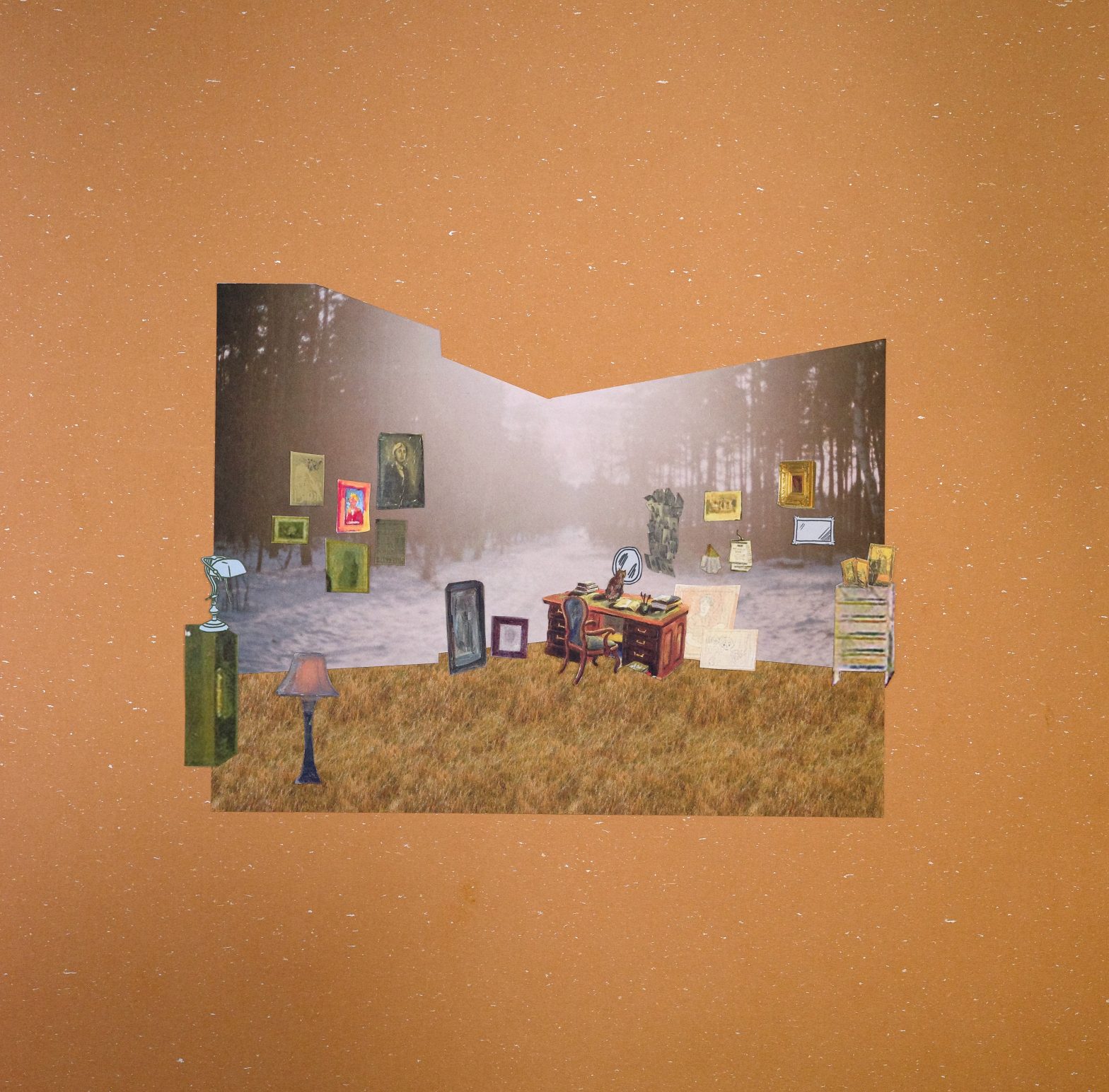
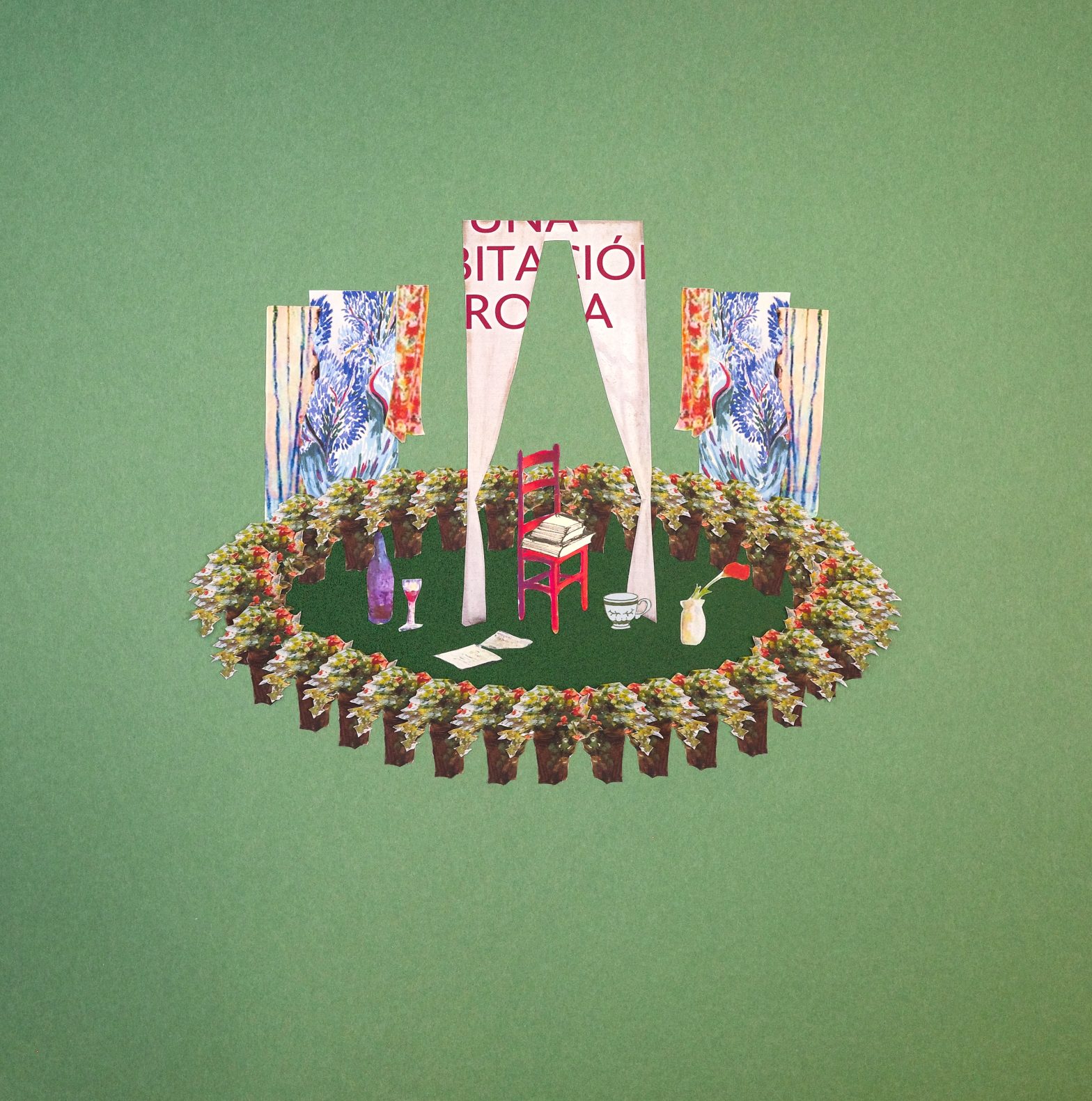
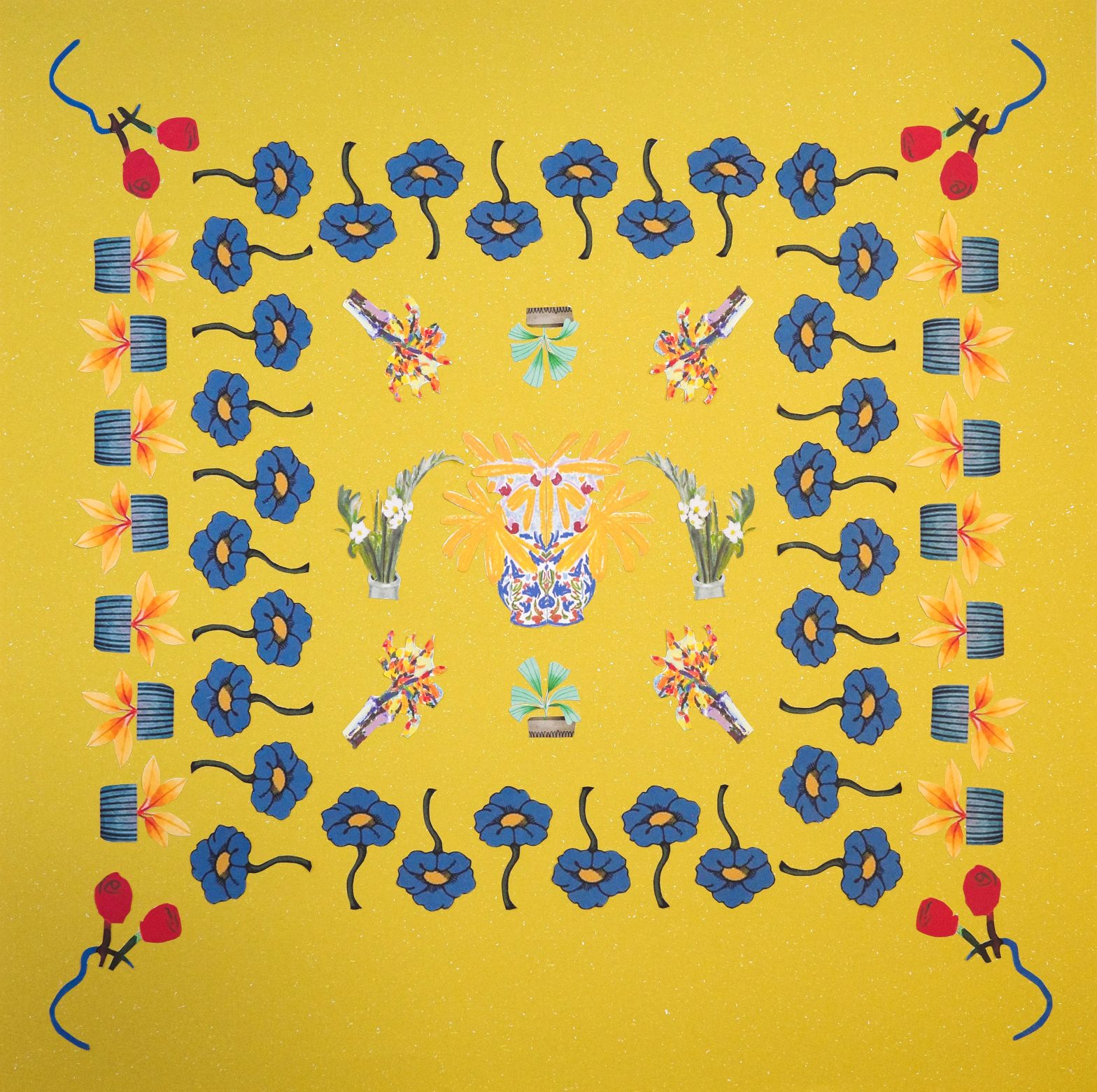
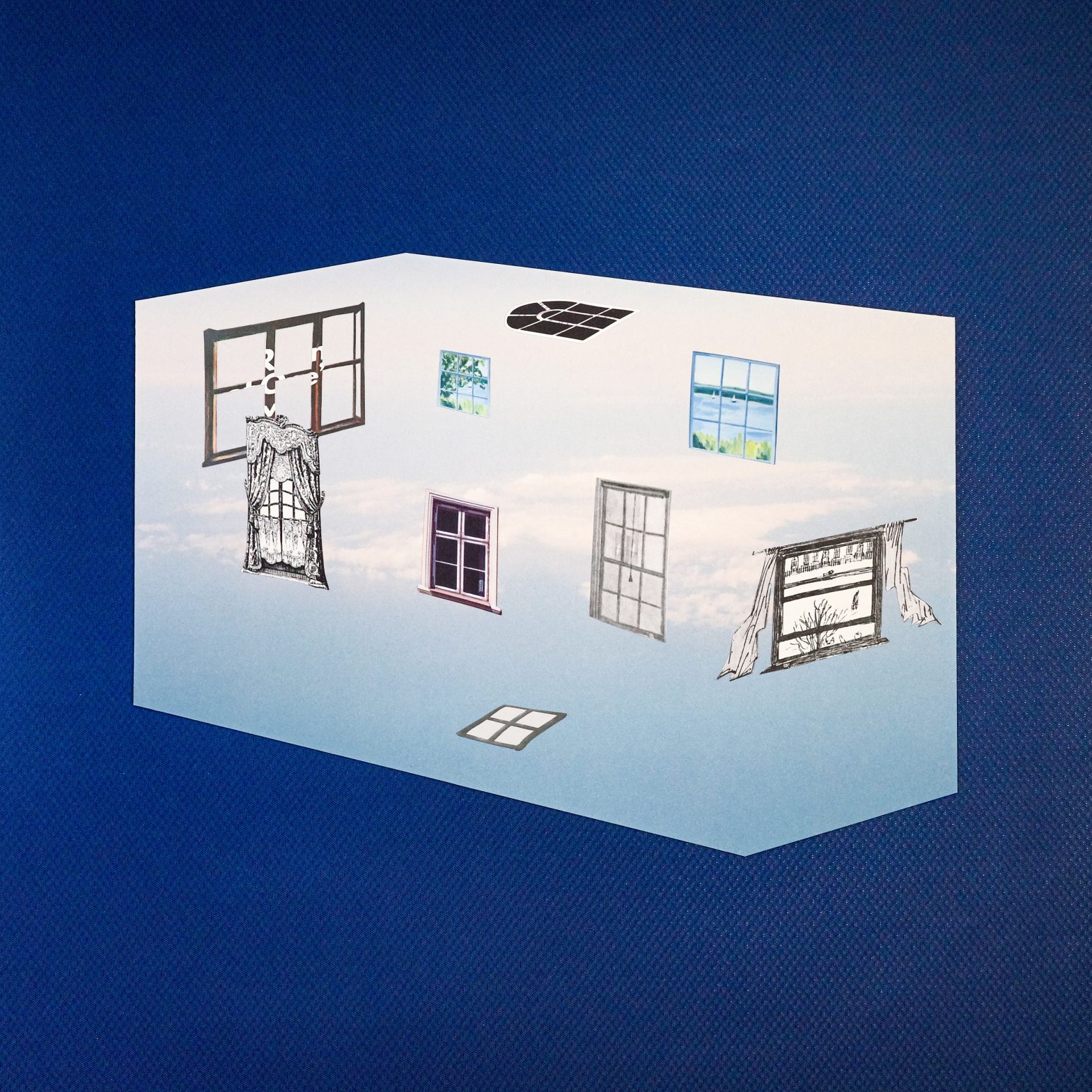
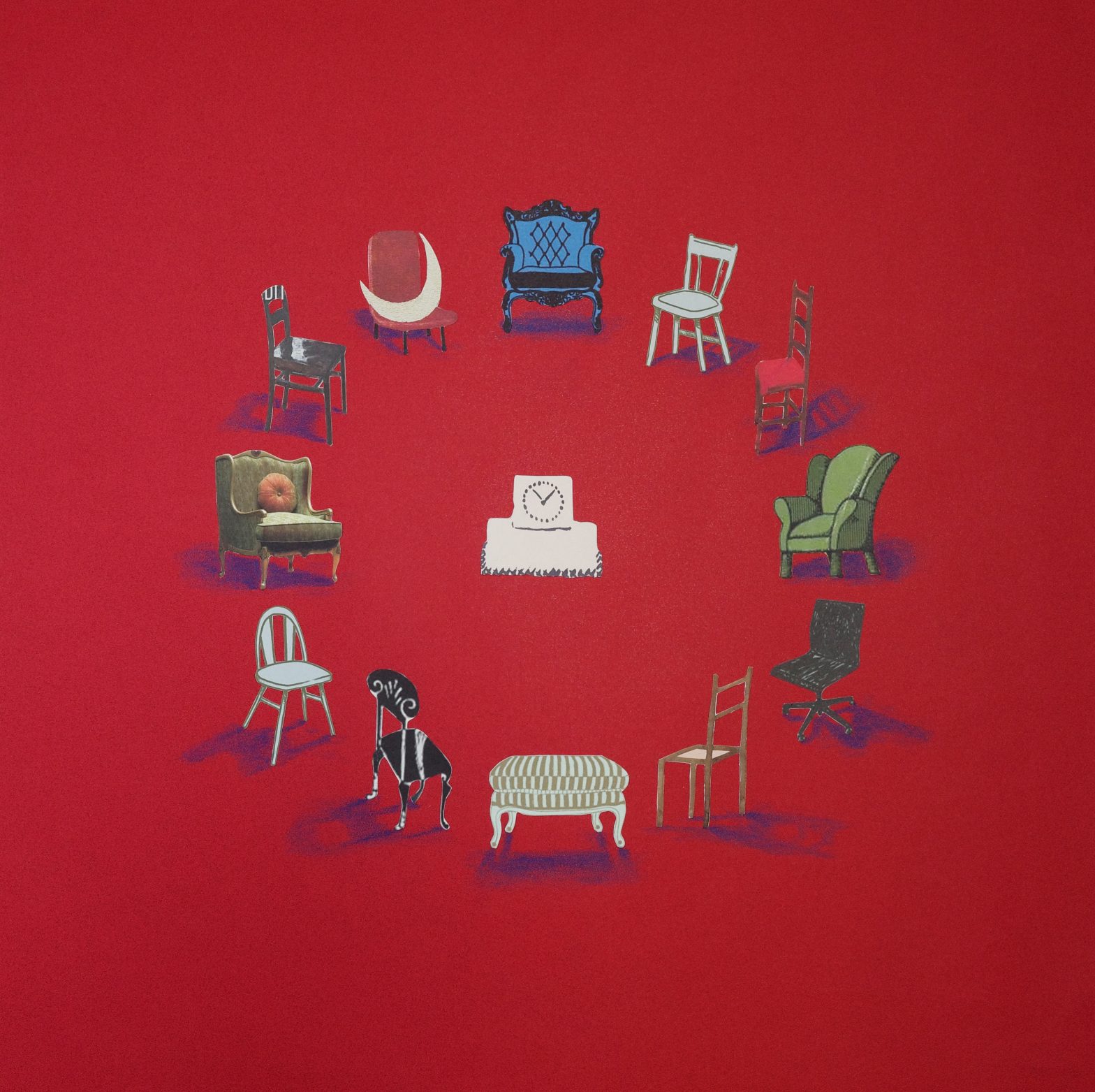
Lam’s exploration of “room” expands beyond video into the creation of graphic collage. Using A “Room of One’s Own” as a visual material, she collects visual representations of women’s rooms found on the covers of various editions of the book, extracting and reorganizing the recurring motifs of domestic still life—chairs, tables, vases, windows—to generate into a sequence of five paper collage pieces. Through the shift in medium, she not only transcends the imaginary and constructive dimensions of her work but also visually layers literary narrative, cultural symbols, and personal interpretation, creating a multi-layered dialogue of space.
Through juxtaposing the visions of “room” from literature, artistic creations, and personal encounters across generations, Lam examines the fundamental human impulse: regardless of a space of makeshift or permanence, reality or fiction, we continually strive to define boundaries, establish possession and realize inhabitation. Such pursuit reveals a longing for spiritual sanctuary and personal autonomy. Layering and reconfiguring visual language, the artist invites viewers to enter the “room for thoughts,” a space that is simultaneously intimate yet open to explore.